Reproduction
Biological process producing offspring from parent or parents.

MAKY.OREL · CC BY 4.0
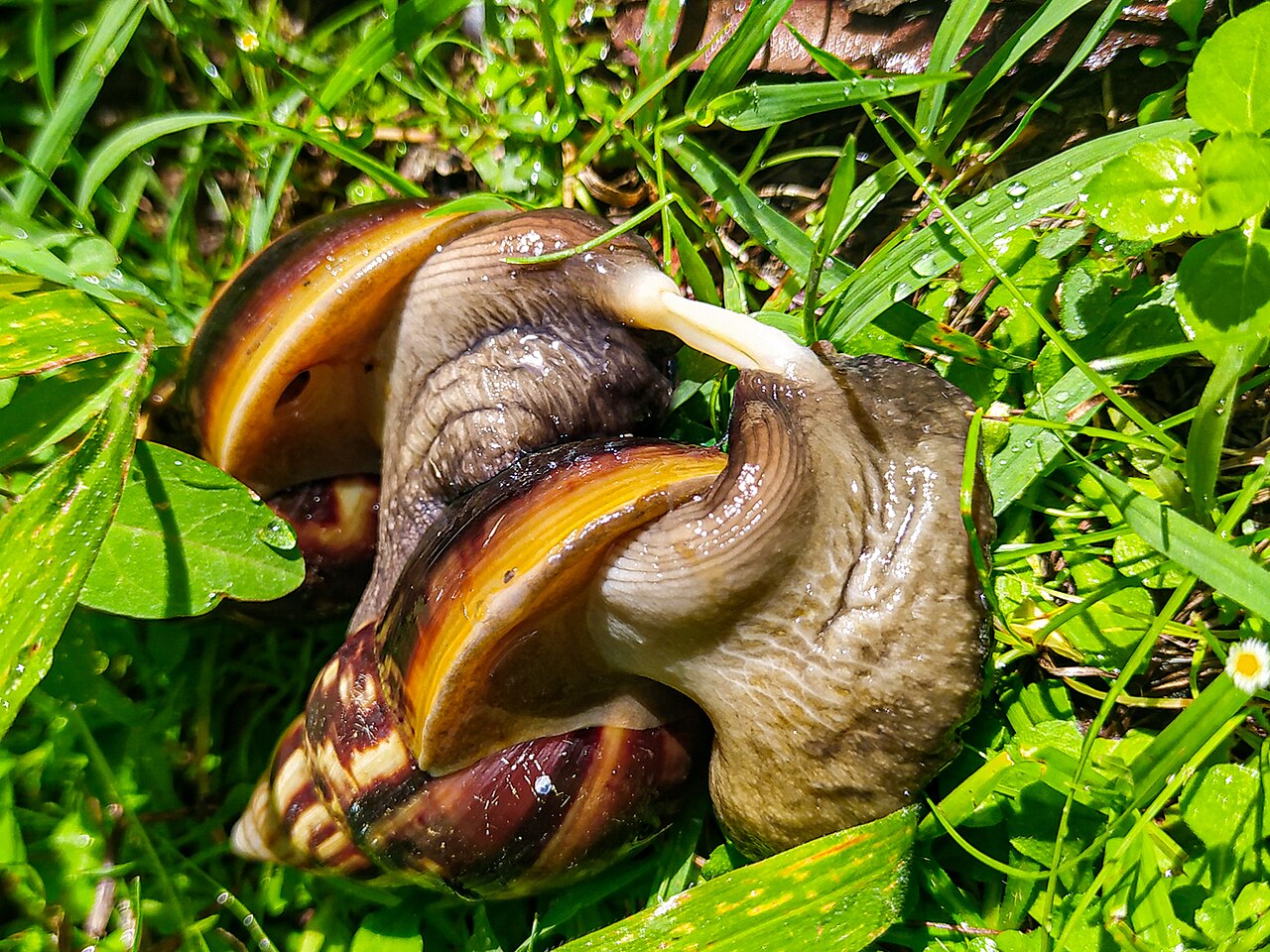
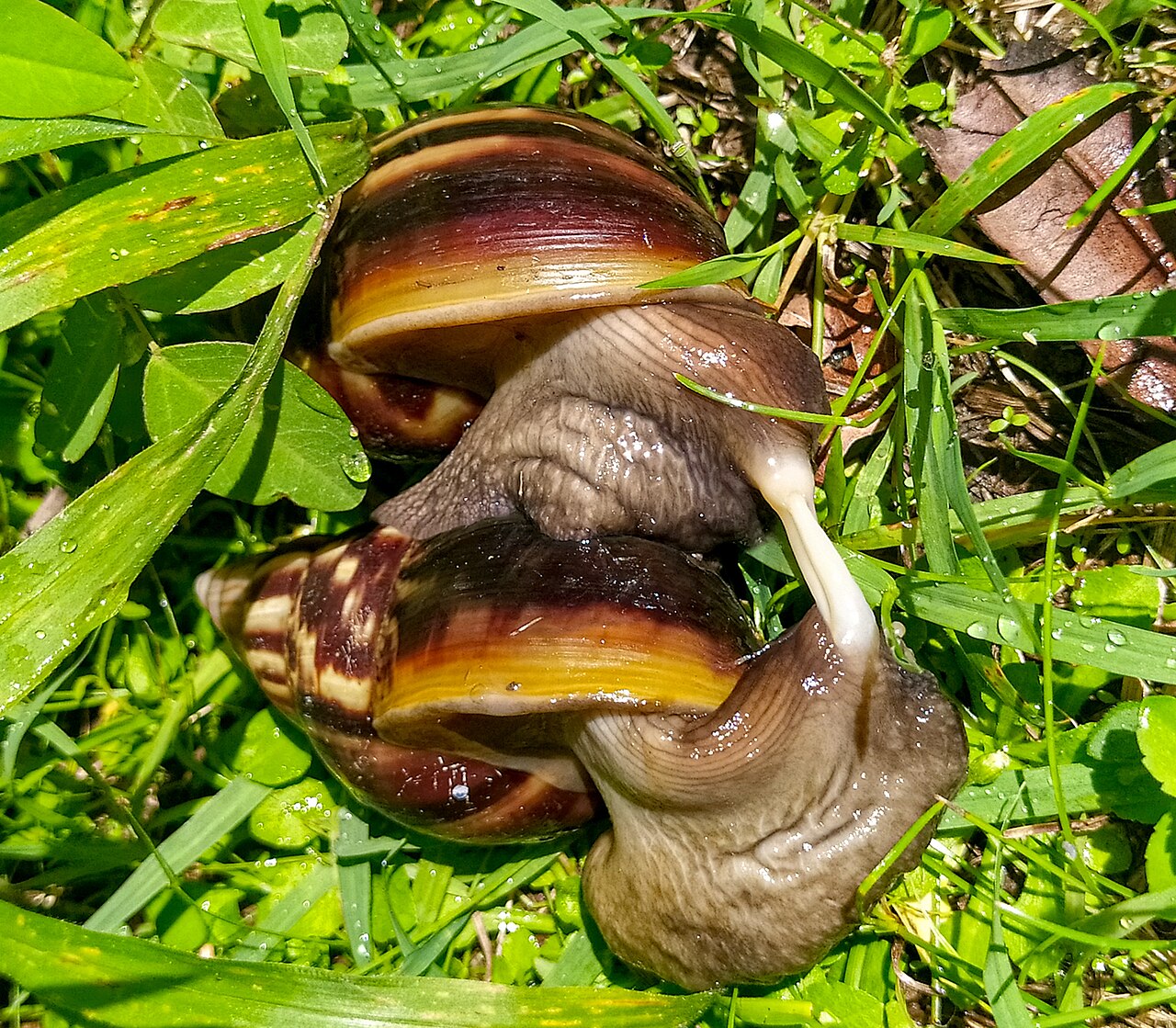
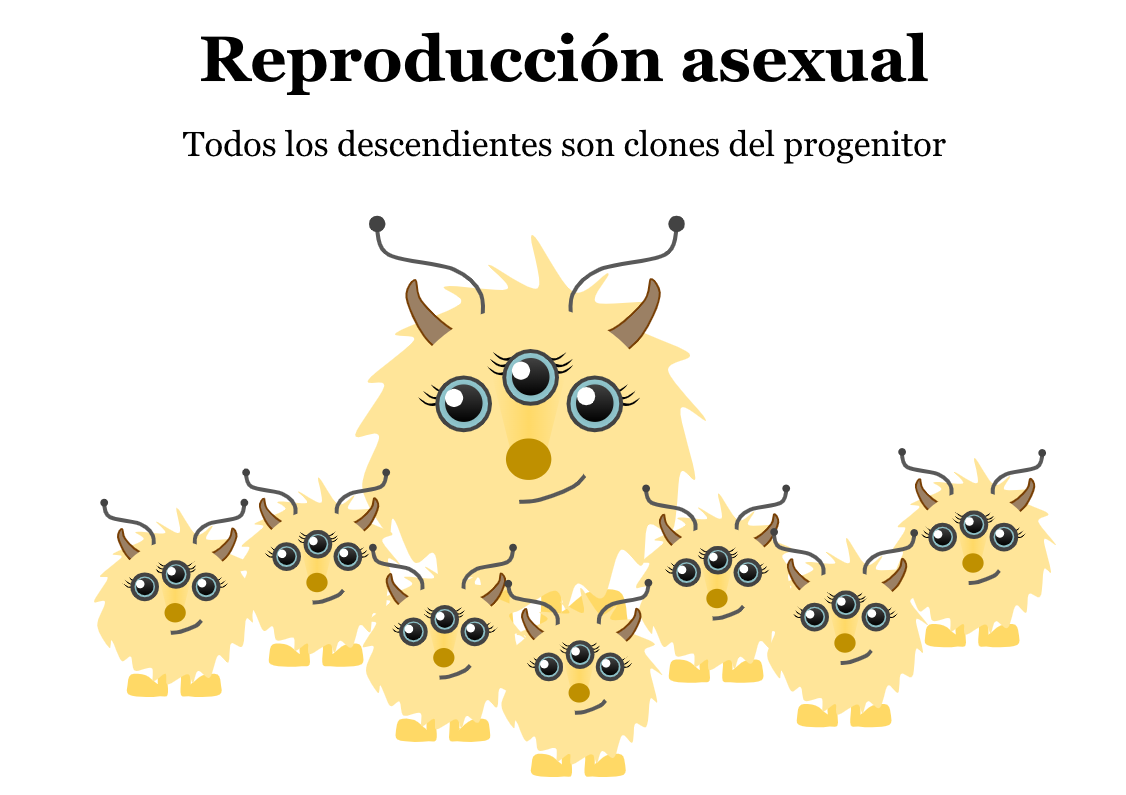
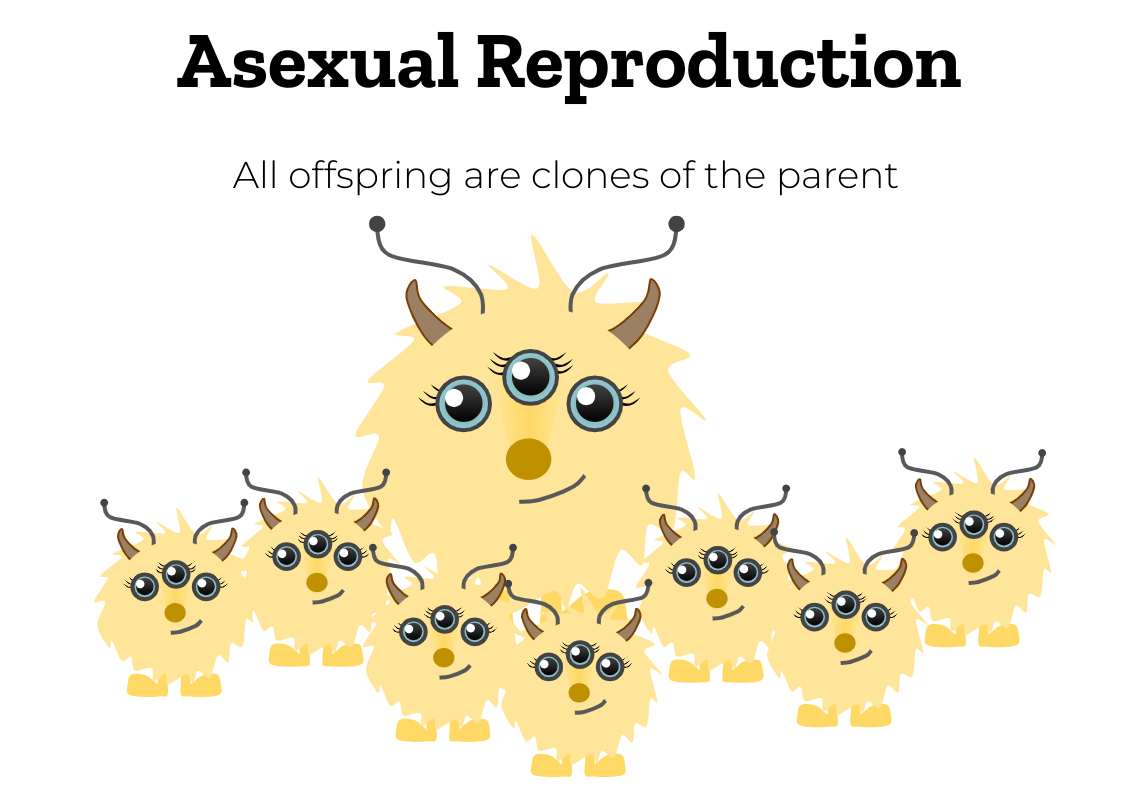
Reproduction is the biological process by which new individual organisms – offspring – are produced from their parent or parents. There are two forms of reproduction: asexual and sexual. Asexual reproduction creates genetically similar or identical copies without another organism, while sexual reproduction typically requires the interaction of two specialized reproductive cells called gametes.
- forms
- asexual and sexual
- asexual_methods
- binary fission, budding, parthenogenesis, fragmentation, spore formation
- sexual_gametes
- sperm and egg (or microspores and megaspores)
- cell_division_types
- mitosis (somatic cells) and meiosis (gametes)
- key_puzzle
- evolution of sexual reproduction and its two-fold cost
Lore & Background
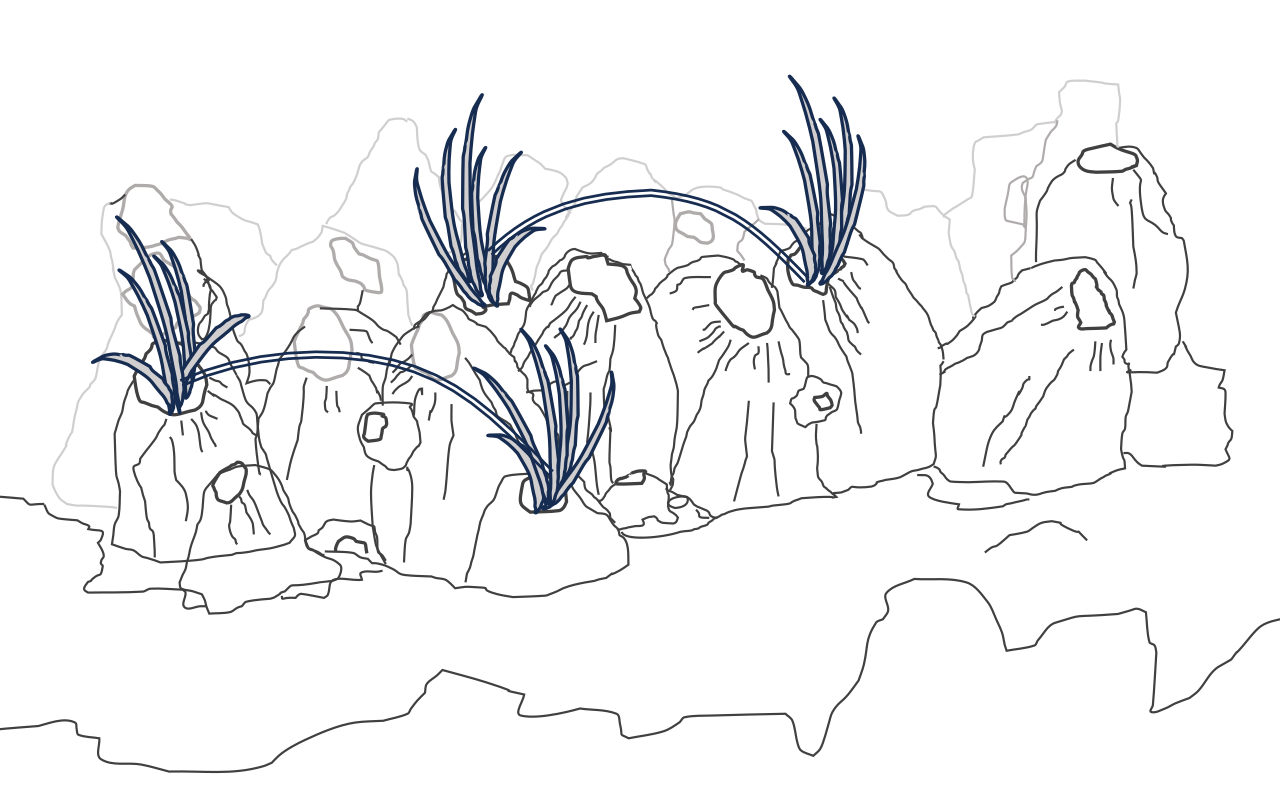
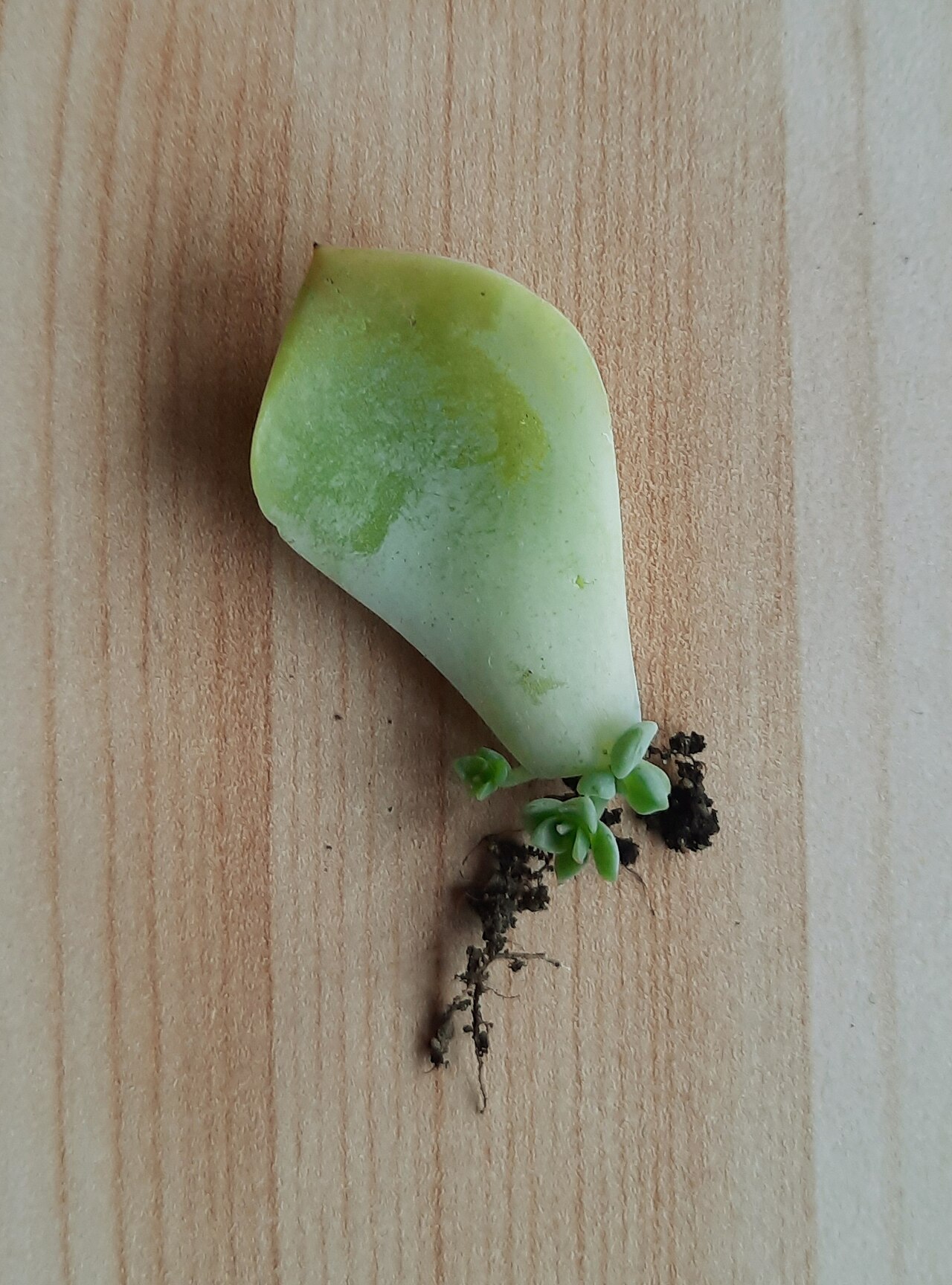
Reproduction encompasses two primary forms: asexual and sexual. In asexual reproduction, an organism creates genetically similar or identical copies of itself without genetic material from another organism. Bacteria divide via binary fission; viruses use host cells; hydras and yeasts reproduce by budding. Many plants reproduce asexually, and the ant species Mycocepurus smithii is thought to reproduce entirely asexually. Some species capable of asexual reproduction, such as hydra and yeast, may also reproduce sexually.
Reader's Guide
Sexual reproduction combines genetic material from two organisms through meiosis, producing haploid gametes. Most animals and plants reproduce sexually, with offspring inheriting one allele for each trait from each parent. The evolution of sexual reproduction remains a major puzzle for biologists due to its two-fold cost: only 50% of organisms reproduce, and organisms pass on only 50% of their genes. Research into same-sex procreation has produced offspring from two mothers and two fathers in mice, though scientists note little chance of near-term human application. The significance of reproduction lies in its fundamental role in species continuation and genetic diversity.
Did You Know?
- Asexual reproduction is not limited to single-celled organisms; the ant species Mycocepurus smithii is thought to reproduce entirely by asexual means.
- In sexual reproduction, the two-fold cost is that only 50% of organisms reproduce and organisms only pass on 50% of their genes.
- Some species, like hydra and yeast, can reproduce both asexually and sexually.
- In 2023, Japanese scientists created mouse pups from two mice fathers that grew into adulthood.
The Cellular Choreography of Fertilization
Sexual reproduction begins with a remarkable cellular process called meiosis, in which diploid precursor cells undergo DNA replication to produce four copies of each chromosome, followed by two successive cell divisions that yield haploid gametes. These single-set-of-chromosomes cells—sperm and egg in animals—then meet during fertilization, where their nuclei fuse to form a zygote carrying two complete sets of chromosomes. From that single diploid cell, repeated rounds of mitotic division build a multicellular organism without altering chromosome number. In plants, the story takes an additional twist: the diploid sporophyte generates spores through meiosis, which germinate and divide mitotically into a haploid gametophyte that produces gametes directly. This alternation between two multicellular phases represents one of nature's most intricate reproductive strategies, found across animals, fungi, and plants as the dominant life cycle among multicellular eukaryotes.
Recombination and the Engine of Genetic Diversity
A critical feature of meiosis is the pairing of homologous chromosomes, whose DNA sequences align with one another before the cell divisions begin. During this alignment period, genetic recombination occurs—segments of similar but not identical DNA are exchanged between the paired chromosomes. This shuffling of genetic material ensures that each gamete carries a unique combination of alleles, dramatically increasing genetic diversity among future generations. The result is that offspring produced through sexual reproduction are never exact genetic copies of either parent. This diversity stands in contrast to asexual reproduction, where every descendant is essentially a clone. The capacity to generate novel genetic combinations also helps impede the accumulation of harmful mutations over successive generations, providing a long-term survival advantage that asexual lineages simply lack.
The Paradox of Sex and Its Evolutionary Persistence
Biologists have long grappled with what is often called the two-fold cost of sex. In an asexual population, every individual can produce offspring, giving it an intrinsic growth advantage over sexual populations where only half the organisms—typically females—bear young. Additionally, any sexually reproducing organism passes on only half its genes to each offspring. Despite these fitness disadvantages, sexual reproduction has persisted since at least the Stenian period, roughly 1.05 billion years ago, as evidenced by the oldest known fossilized traces. Proposed explanations include reducing deleterious mutation accumulation, accelerating adaptation to shifting environments, facilitating DNA repair, and masking harmful alleles. Population size appears to modulate these benefits, with larger populations responding more rapidly to the advantages sex provides. Recent models further suggest a fundamental advantage for slowly reproducing, complex organisms that must tailor their traits to specific environments and survival strategies.
Sexual Selection and the Architecture of Dimorphism
Sexual reproduction introduces a powerful evolutionary force absent in asexual populations: sexual selection. In most animal species, females make the primary mate choice while males compete to be selected, driving organisms toward extreme behaviors such as combat, elaborate displays, and the development of exaggerated physical traits. This process can produce what is known as a Fisherian runaway, a positive feedback loop in which a trait becomes increasingly extreme simply because it is preferred. The outcome is sexual dimorphism—visible differences between males and females in body size, strength, ornamentation, and behavior. Classic examples include peacocks, whose large, unwieldy tail feathers signal health and survival ability to selecting hens; lions, where darker, fuller manes attract lionesses despite increasing heat vulnerability; and deer, where females favor males bearing larger antlers as indicators of higher fitness. These traits, though sometimes costly to survival, persist because they enhance reproductive success.
Gallery
Frequently Asked Questions
What does 'Reproduction' cover in Reproduction & Development 1-19?
This chapter defines reproduction as the biological mechanism through which parent organisms generate new offspring. It lays the groundwork for the entire unit by distinguishing the two broad strategies—sexual and asexual—that every organism uses to pass on its lineage.
What are the two forms of reproduction and how do they differ?
Asexual reproduction produces genetically near-identical copies from a single parent, while sexual reproduction typically involves the fusion of two specialized gametes contributed by separate parents. The key distinction is whether genetic material is mixed from two sources or simply duplicated from one.
Which specific methods fall under asexual reproduction?
The chapter lists binary fission, budding, parthenogenesis, fragmentation, and spore formation as the principal asexual strategies. Each allows a single organism to generate offspring without any partner or gamete fusion.
What role do gametes play in sexual reproduction?
Gametes—sperm and egg in animals, or microspores and megaspores in plants—are the specialized reproductive cells whose interaction produces a new individual. They are generated through meiosis, which halves the chromosome number so that fusion restores the full diploid set.
Why is the evolution of sexual reproduction called a 'two-fold cost' puzzle?
Because a sexual organism produces only half as many fertile offspring as an asexual one of equal size (since half its progeny are males that do not bear young), yet sex persists across most of the tree of life. The chapter flags this unresolved evolutionary question as a central puzzle driving the rest of the unit.
More in Reproduction & Development 1-19
Spotted an error? Know more?
This is a living reference — every entry is fact-audited, and reader corrections feed straight into our audit queue. Suggest an edit · See this site's audit record