
Testosterone
Primary male sex hormone influencing development, behavior, and health.

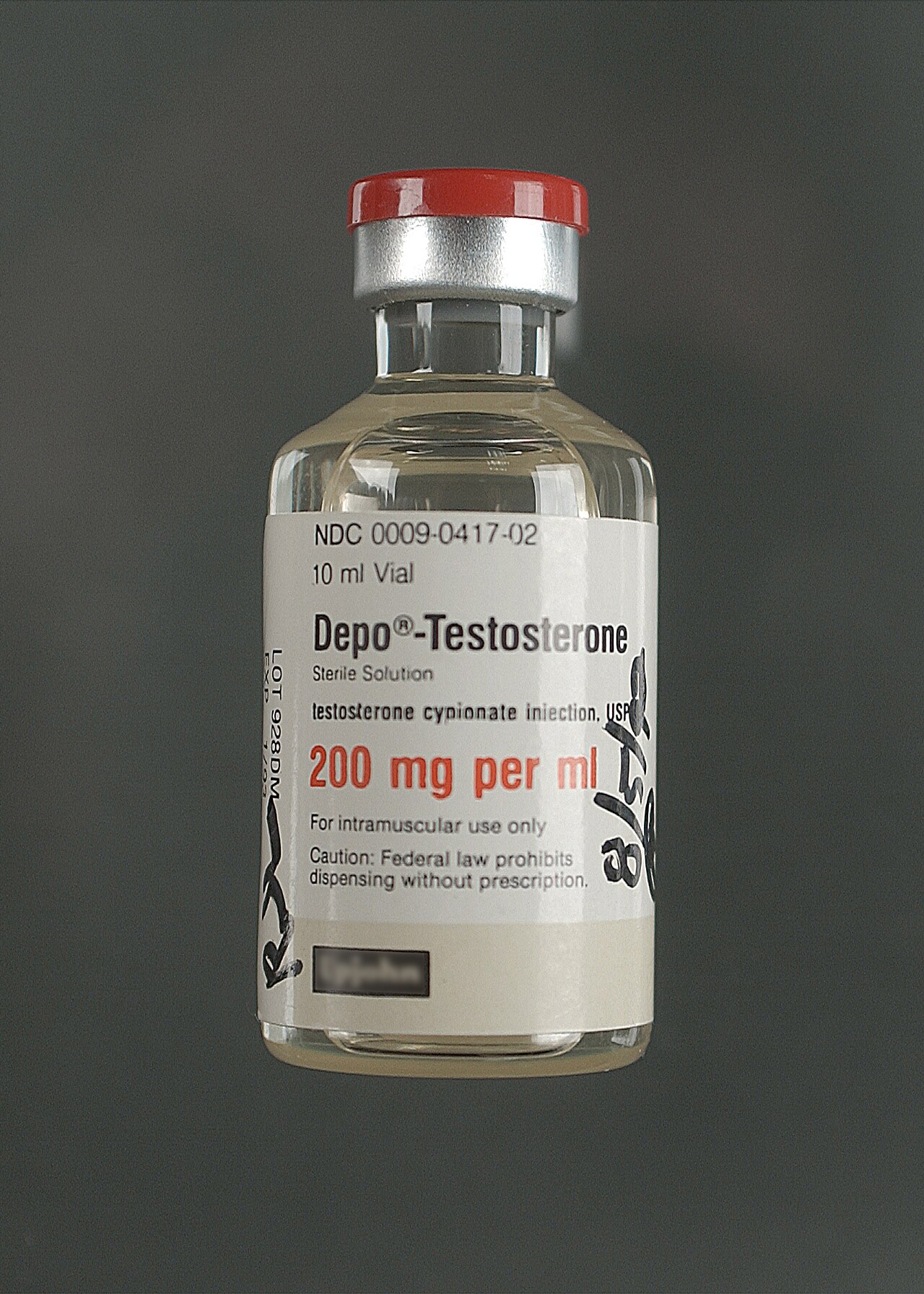
U.S. Drug Enforcement Administration · Public domain
Testosterone is the primary male sex hormone and androgen in males, driving the development of male reproductive tissues and secondary sexual characteristics. It is a steroid hormone biosynthesized from cholesterol, secreted primarily by the testicles of males and to a lesser extent by the ovaries of females, and is involved in health, mood, cognition, and behavior in both sexes.
- field
- Endocrinology, Reproductive Biology
- known_for
- Primary male sex hormone; drives male reproductive development, secondary sexual characteristics, and influences behavior and health
- type
- Hormone (steroid androgen)
Lore & Background
Testosterone is a steroid hormone from the androstane class, containing a ketone and a hydroxyl group at positions three and seventeen. It is biosynthesized in several steps from cholesterol and converted in the liver to inactive metabolites, exerting its action through binding to and activation of the androgen receptor. In humans, testosterone drives the development of male reproductive tissues such as testicles and prostate, and promotes secondary sexual characteristics including increased muscle and bone mass, body hair growth, and deepening of the voice. It is associated with increased aggression, sex drive, dominance, and courtship display, and plays a role in overall mood, cognition, social and sexual behavior, metabolism, cardiovascular health, and osteoporosis prevention.
Reader's Guide
Testosterone is significant as the primary androgen in males, essential for male reproductive development and the maintenance of secondary sexual characteristics. Its effects span prenatal development, infancy, puberty, and adulthood, influencing genital virilization, sperm production, muscle growth, bone density, and brain masculinization. The hormone is also used medically to treat hypogonadism and breast cancer, and illicitly by athletes for performance enhancement, leading to its prohibition by the World Anti-Doping Agency. Insufficient levels in men can cause frailty, fat accumulation, anxiety, depression, sexual deficits, and bone loss, while excessive levels may be associated with hyperandrogenism, heart failure risk, increased mortality in prostate cancer, and male pattern baldness. The article notes conflicting results regarding testosterone's role in cardiovascular health, preserving this uncertainty.
Did You Know?
- Testosterone levels in adult males are about seven to eight times greater than in adult females, and daily production is about 20 times greater in men.
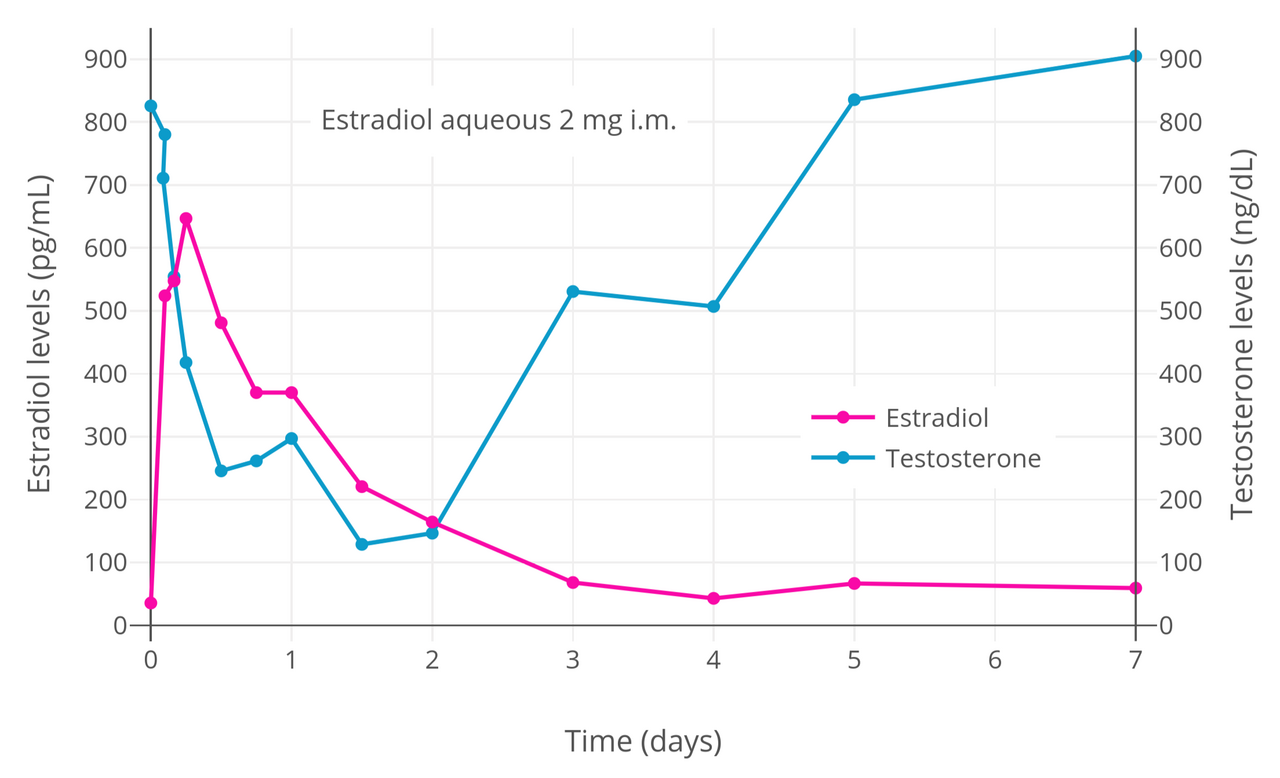
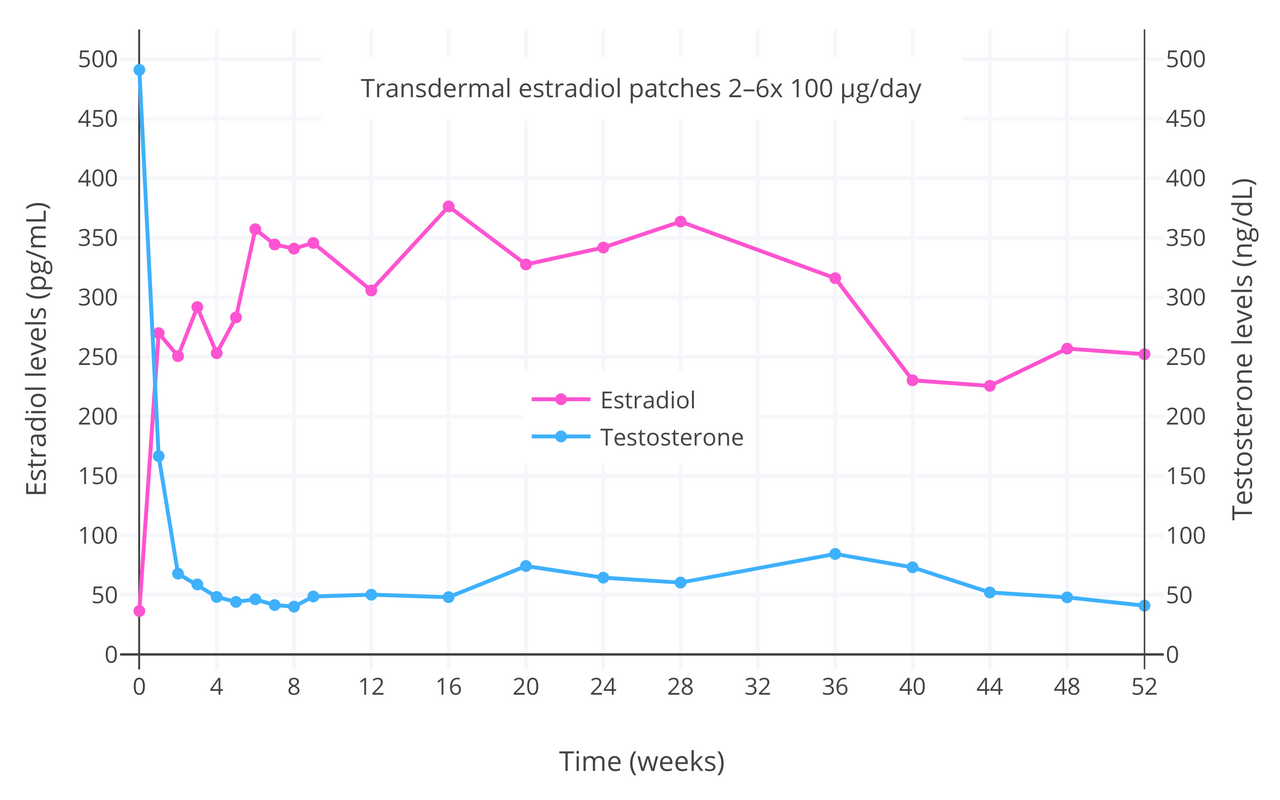
- Testosterone can be metabolized by 5α-reductase into dihydrotestosterone (DHT) or aromatized to estradiol (E2), with DHT having a stronger binding affinity to the androgen receptor.
- In male infants, testosterone levels rise in the first weeks of life and remain in a pubertal range for a few months before dropping to barely detectable levels by 4–7 months.
- The World Anti-Doping Agency lists testosterone as an S1 Anabolic agent substance prohibited at all times.
From Fetus to Adult: Testosterone's Role in Development
Testosterone serves as the principal androgen responsible for shaping the male body from the earliest stages of gestation onward. During the fourth through sixth weeks of pregnancy, it contributes to genital virilization, including midline fusion, scrotal thinning, and phallic enlargement, though dihydrotestosterone plays a larger role in those specific processes. By the second trimester, testosterone works alongside anti-Müllerian hormone to guide the growth of the Wolffian duct while the Müllerian duct degenerates, effectively determining the masculinization of the developing fetus. Research suggests these prenatal androgen exposures may even influence later gender-typed behaviors and spatial abilities, with moderate effects observed in both males and females. After birth, testosterone's influence continues through infancy, where a brief surge in male newborns may drive brain masculinization via conversion to estradiol. At puberty, its effects become far more pronounced: it stimulates the growth of spermatogenic tissue in the testicles, deepens the voice, triggers the growth of facial and underarm hair, and drives significant gains in muscle mass, bone density, and linear skeletal growth.
Hormonal Balance and the Spectrum of Health
Testosterone's influence extends well beyond the male reproductive system, touching nearly every major physiological domain in both sexes. In men and women alike, adequate levels support overall mood stability, cognitive function, social and sexual behavior, metabolic regulation, energy output, cardiovascular health, and the prevention of bone loss. When levels fall below the necessary threshold in men, the consequences cascade: physical frailty sets in, excess adipose fat accumulates, anxiety and depression become more prevalent, sexual performance deteriorates, and skeletal density erodes. At the opposite extreme, chronically elevated testosterone can trigger hyperandrogenism, elevate the risk of heart failure, worsen mortality outcomes in men already suffering from prostate cancer, and accelerate male pattern baldness. The hormone is also broadly linked to behavioral traits such as heightened aggression, increased sex drive, dominance behaviors, and courtship displays. Because the balance between anabolic and androgenic effects depends on factors including conversion into the more potently binding dihydrotestosterone or into estradiol, the precise manifestation of these health effects remains an active area of scientific investigation.
Molecular Architecture and Sex-Based Production
At the molecular level, testosterone belongs to the androstane class of steroid hormones, distinguished by a ketone group at carbon three and a hydroxyl group at carbon seventeen. Its production follows a multi-step biosynthetic pathway that begins with cholesterol, and once it has completed its biological work, the liver metabolizes it into inactive byproducts. The hormone exerts its effects by binding to and activating the androgen receptor within target cells. In humans and most other vertebrate species, the testicles are the primary source in males, while the ovaries contribute a smaller quantity in females. The numerical gap between the sexes is striking: adult men carry roughly seven to eight times the circulating testosterone of adult women, and because male metabolism of the hormone is more pronounced, daily production runs approximately twenty times higher in men. Interestingly, female physiology appears more sensitive to the hormone, meaning even modest levels can produce meaningful biological effects. Testosterone can also be further modified by the enzyme 5α-reductase into dihydrotestosterone, which binds the androgen receptor with greater affinity, or aromatized into estradiol, opening additional pathways of action.
Therapeutic Applications and the Doping Controversy
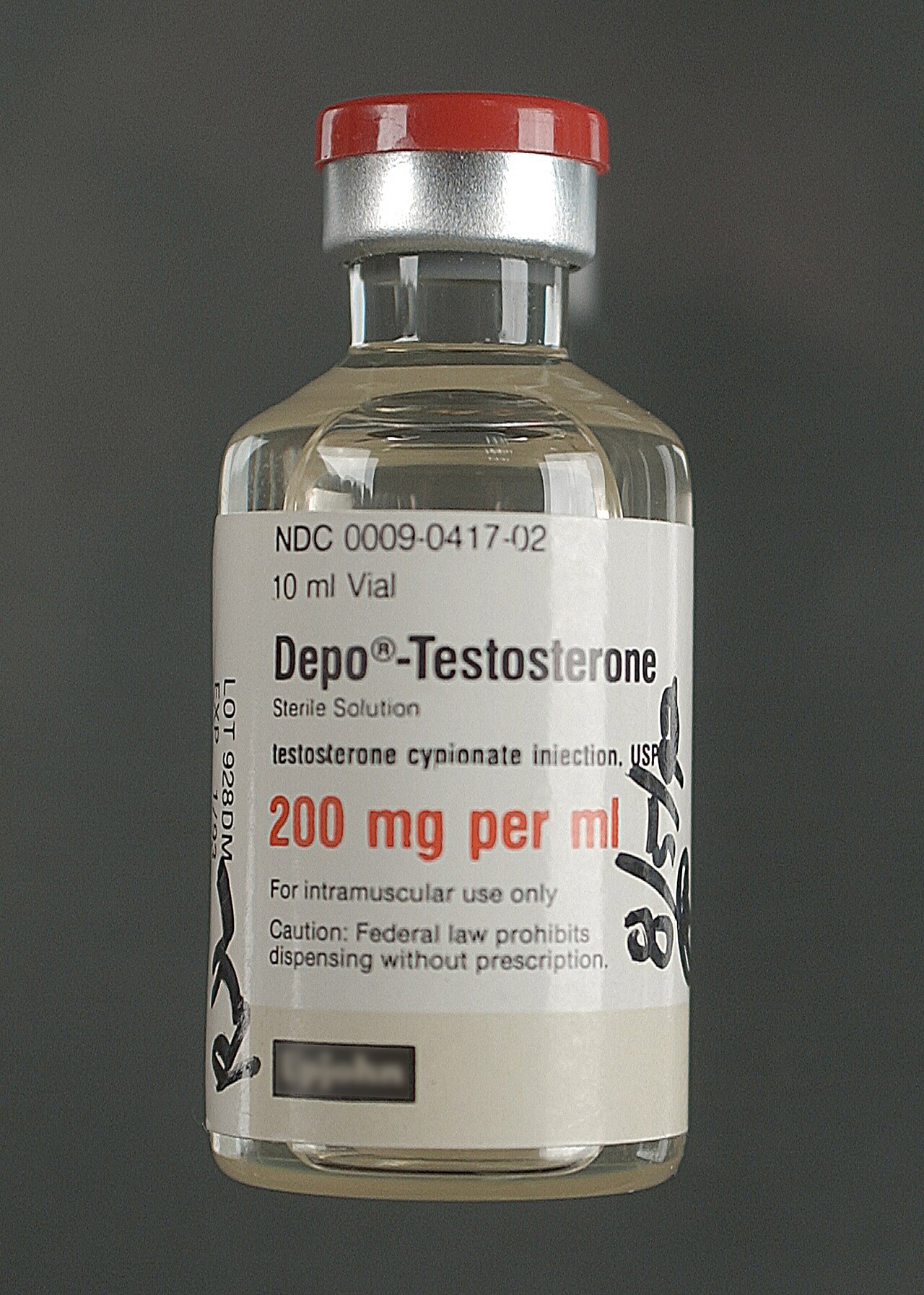
Beyond its natural role, testosterone has established a place in clinical medicine. It is prescribed as a treatment for hypogonadism, a condition in which the body fails to produce sufficient sex hormones, and it also finds use in the management of breast cancer. Because testosterone levels naturally decline as men grow older, clinicians sometimes administer the hormone to older patients to offset this age-related deficiency and restore some degree of physiological function. However, the same anabolic properties that make testosterone therapeutically useful have made it a target for illicit use in athletic and bodybuilding circles, where individuals seek to enhance muscle mass, strength, and overall physical performance. This dual nature has placed the substance at the center of a long-running ethical and regulatory debate. The World Anti-Doping Agency classifies testosterone as an S1 anabolic agent and prohibits its use at all times, whether in competition or out of it. This blanket ban underscores the difficulty of separating legitimate medical need from performance-enhancement intent, and it reflects the broader challenge of policing a substance that is simultaneously a vital human hormone and a powerful tool for altering the body's physical capabilities.
Gallery


Frequently Asked Questions
Who is Testosterone?
Testosterone is the principal androgen in the human endocrine system, a steroid hormone assembled from cholesterol. It is manufactured predominantly by the testicles in males and in smaller quantities by the ovaries in females.
What are Testosterone's powers or role?
It orchestrates the maturation of male reproductive organs and the emergence of secondary sexual traits like a deeper voice, facial hair, and greater muscle mass. Beyond reproduction, it also shapes mood, cognitive performance, and general health in both sexes.
How does Testosterone's story end?
Rather than a single finale, circulating levels gradually taper off with advancing age in both males and females. This slow decline is linked to reduced muscle mass, lower bone density, diminished libido, and shifts in energy throughout later life.
Why is Testosterone important?
It is the central chemical signal that drives male puberty, sperm production, and the upkeep of reproductive tissue. Its reach extends into bone maintenance, metabolic rate, and behavioral patterns, making it critical to overall well-being.
Where does Testosterone come from?
It is synthesized from cholesterol through a cascade of enzymatic reactions inside the Leydig cells of the testes in males and the ovarian theca cells in females. The adrenal glands in both sexes contribute a smaller additional share.
More in Reproduction & Development 1-19
Spotted an error? Know more?
This is a living reference — every entry is fact-audited, and reader corrections feed straight into our audit queue. Suggest an edit · See this site's audit record