Sexual dimorphism
Condition where sexes differ in morphology beyond reproduction.

Heidi Hopkins · CC BY 4.0
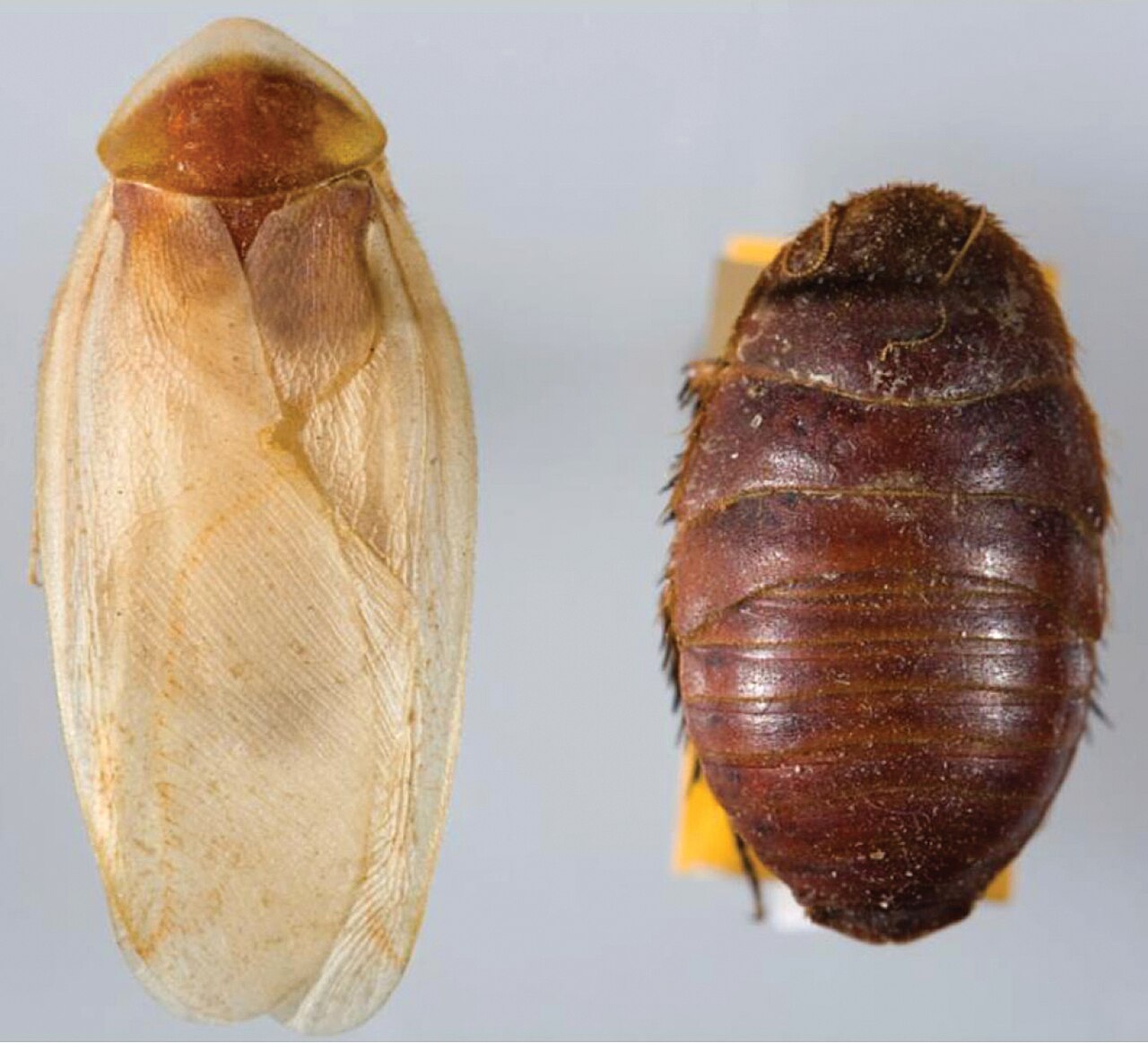
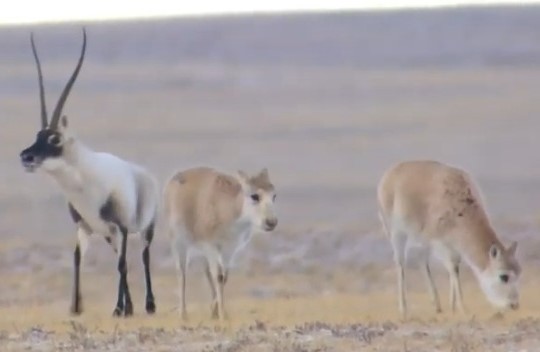
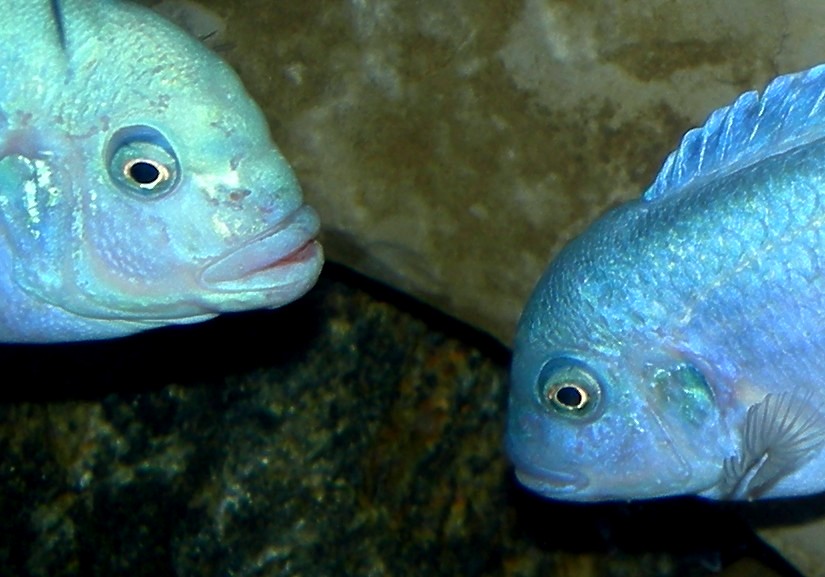
Sexual dimorphism is the condition where different sexes of the same species exhibit different morphological characteristics, including characteristics not directly involved in reproduction. The condition occurs in most dioecious species, which consist of most animals and some plants. Differences may include secondary sex characteristics, size, weight, color, markings, or behavioral or cognitive traits. The opposite of dimorphism is monomorphism, when both biological sexes are phenotypically indistinguishable from each other.
- field
- Biology, evolutionary biology
- known_for
- Condition where sexes of same species show different morphological traits
- types
- Ornamentation, coloration, size, behavioral traits
- opposite
- Monomorphism
Lore & Background
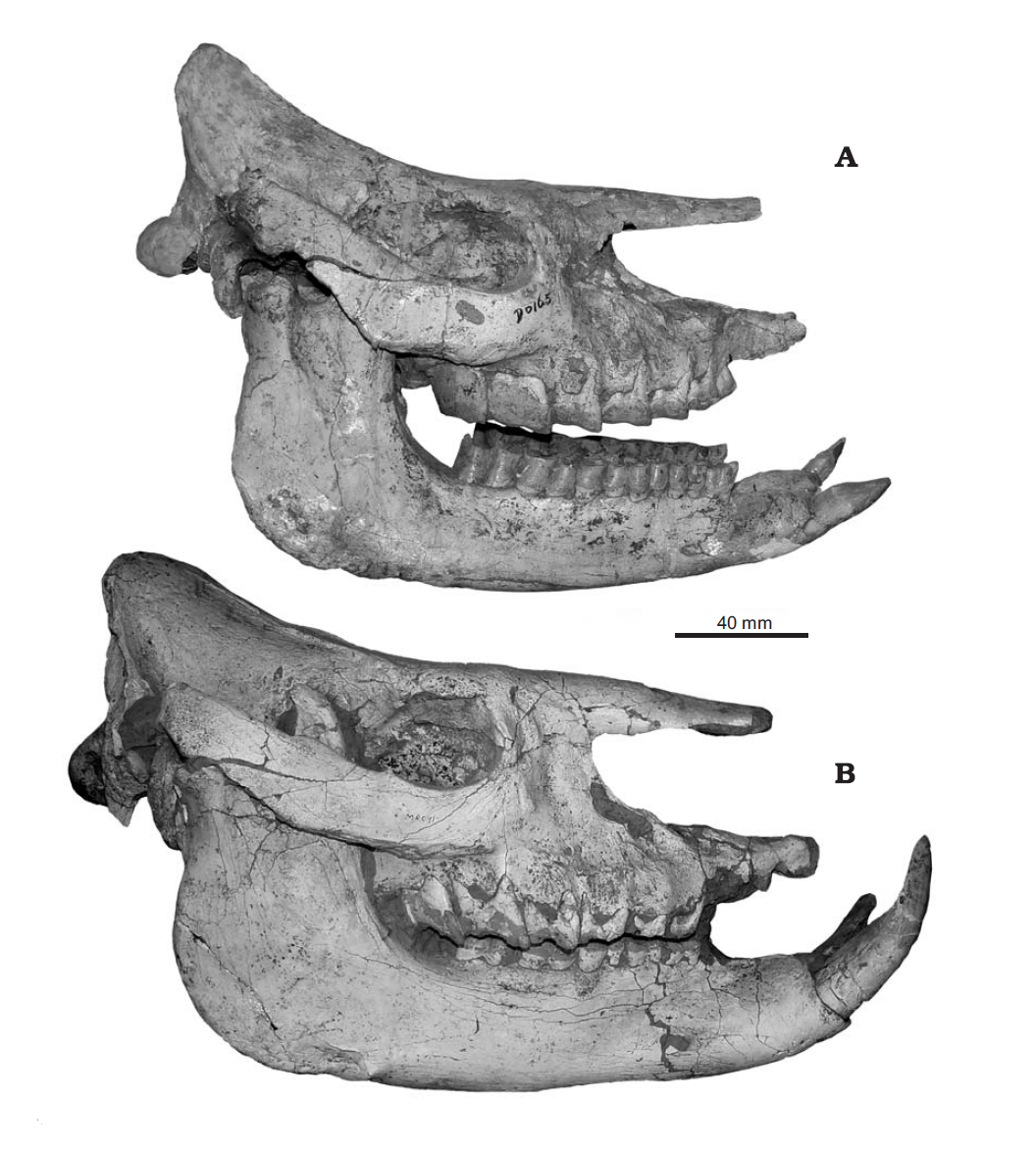
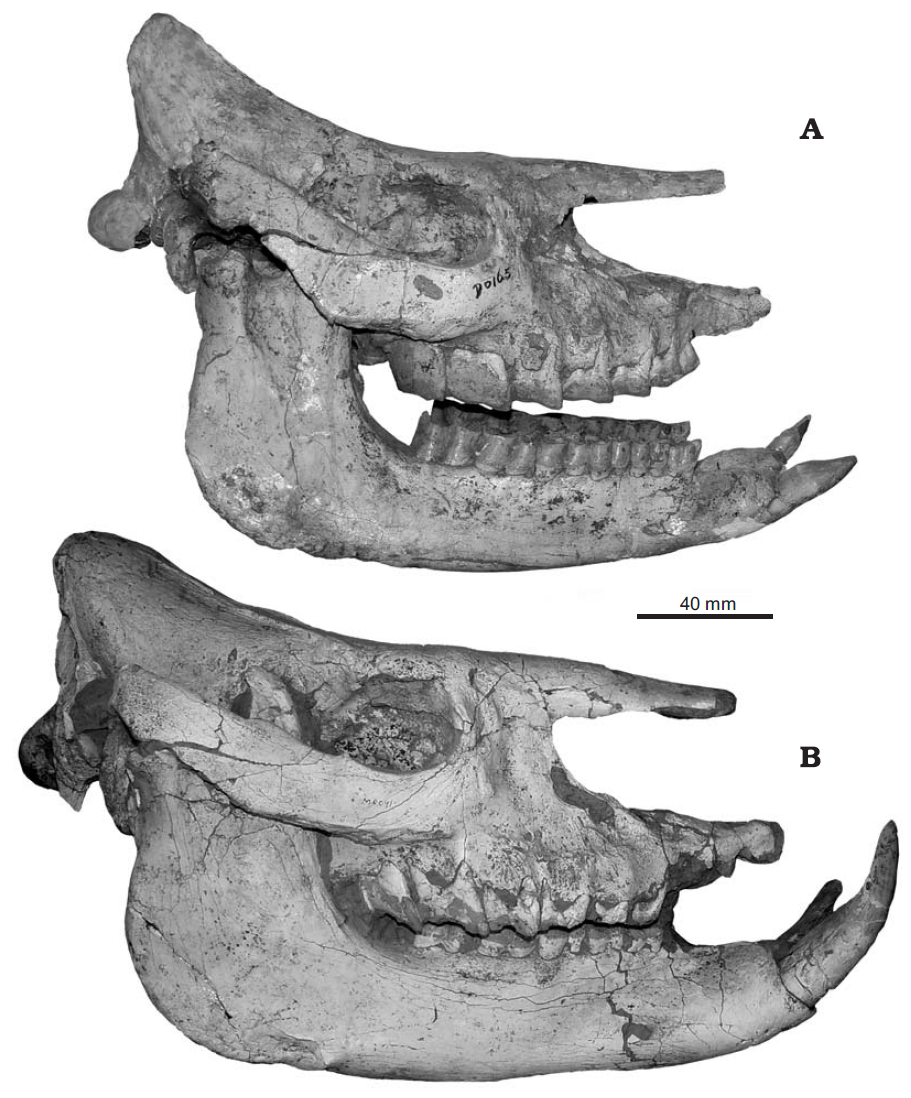
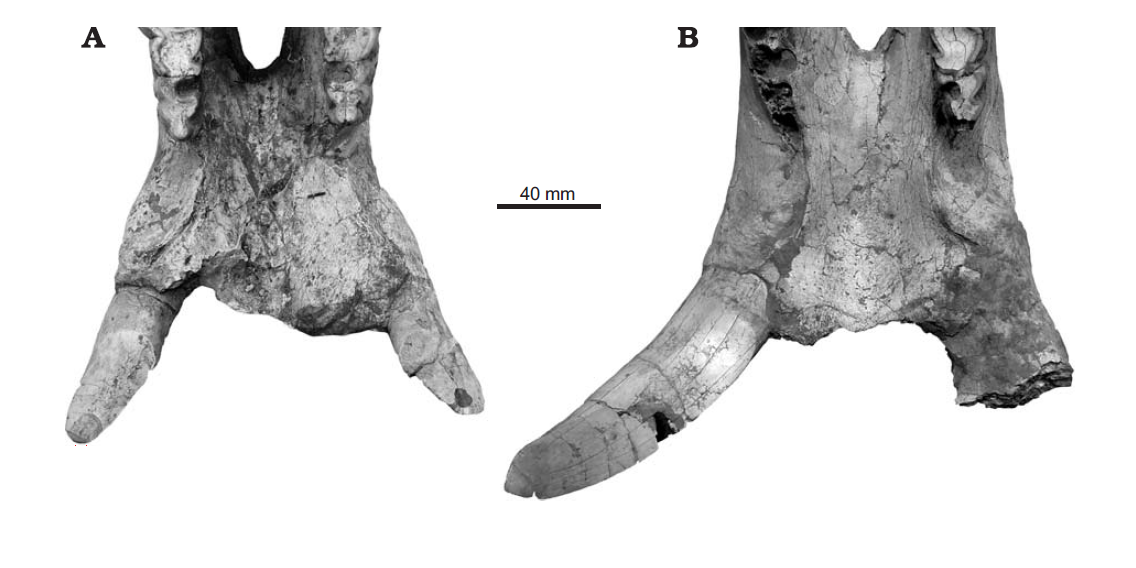
Male–male reproductive competition has evolved a diverse array of sexually dimorphic traits. Aggressive utility traits such as 'battle' teeth and blunt heads reinforced as battering rams are used as weapons in aggressive interactions between rivals. Passive displays such as ornamental feathering or song-calling have also evolved mainly through sexual selection. These differences may be subtle or exaggerated and may be subjected to sexual selection and natural selection. Reversed sexual dimorphism (RSD) is a condition where females of a species are larger or more ornamented than the males. Species prominently displaying RSD include raptors, spiders, the leopard seal, and certain waders; in waders, it is often combined with reversed sexual dichromatism and sex role reversal.
Reader's Guide
Sexual dimorphism is a widespread phenomenon across animals and plants, with significant implications for understanding evolution, mate selection, and ecological interactions. The peafowl provide a classic example: the ornate plumage of peacocks attracts peahens, while the peahen is of a subdued brown coloration. The plumage increases vulnerability to predators but offsets this cost through mating success. In plants, sexual dimorphism is common in dioecious species, often associated with wind-pollination for efficient pollen dispersal. Catasetum orchids show an unusual exception where male and female flowers look different to manipulate pollinator behavior. The study of sexual dimorphism reveals complex trade-offs between natural and sexual selection, as seen in the carotenoid-dependent coloration of nestling blue tits, which may indicate male parental abilities and health. Understanding these patterns helps clarify the evolutionary pressures shaping biodiversity.
Did You Know?
- Reversed sexual dimorphism, where females are larger or more ornamented than males, occurs in raptors, spiders, the leopard seal, and certain waders.
- In nestling blue tits, males are chromatically more yellow than females, a trait linked to carotenoid intake from green Lepidopteran larvae.
- Catasetum orchids are an exception among insect-pollinated plants, with male and female flowers looking different to manipulate pollinator behavior.
- In redlip blennies, only the male develops an organ that produces antimicrobial substances to protect eggs during parental care.
Gallery
Frequently Asked Questions
What is Sexual dimorphism?
Sexual dimorphism is the biological condition in which males and females of the same species display visibly different physical or behavioral traits that extend well beyond reproductive anatomy. It covers a broad range of differences, including size, coloration, ornamentation, markings, and even cognitive or behavioral patterns.
What are Sexual dimorphism's main types or manifestations?
The condition typically surfaces through secondary sex characteristics such as brighter plumage, larger body mass, distinctive color markings, elaborate structural ornaments, or divergent behavioral and cognitive traits. These variations can range from subtle size disparities to dramatic, immediately visible structural changes between the sexes.
How does Sexual dimorphism contrast with Monomorphism?
Monomorphism is the direct opposite, describing species in which both biological sexes are phenotypically indistinguishable from one another. Sexual dimorphism, by contrast, highlights species where the two sexes are readily told apart by their morphology, coloration, or behavior.
In which organisms does Sexual dimorphism occur?
The condition is widespread across most dioecious species, appearing in the vast majority of animal groups and in a subset of plant species. It is essentially the default state in the animal kingdom rather than a rare exception.
Why is Sexual dimorphism important in evolutionary biology?
It serves as a key indicator of sexual selection pressures and ecological niche partitioning between the sexes within a species. Studying it helps biologists understand how mate choice, resource competition, and reproductive strategies shape the evolution of form and behavior.
More in Reproduction & Development 1-19
Spotted an error? Know more?
This is a living reference — every entry is fact-audited, and reader corrections feed straight into our audit queue. Suggest an edit · See this site's audit record