Testicle
Male gonad producing sperm and testosterone.

Ezequiel69 · CC BY-SA 4.0
A testicle, also called testis (pl. testes), is the male gonad in all gonochoric animals, including humans, and is homologous to the ovary, which is the female gonad. Its primary functions are the production of sperm and the secretion of androgens, primarily testosterone. The release of testosterone is regulated by luteinizing hormone (LH) from the anterior pituitary gland, while sperm production is controlled by follicle-stimulating hormone (FSH) from the anterior pituitary gland and by testosterone produced within the gonads.
- field
- Anatomy, Reproductive Biology
- known_for
- Production of sperm and secretion of androgens, primarily testosterone
- average_volume
- 18 cm³ per testis (range 12–30 cm³)
- normal_volume_range
- 15 to 25 cm³
- optimal_temperature
- 34.4 °C
Lore & Background
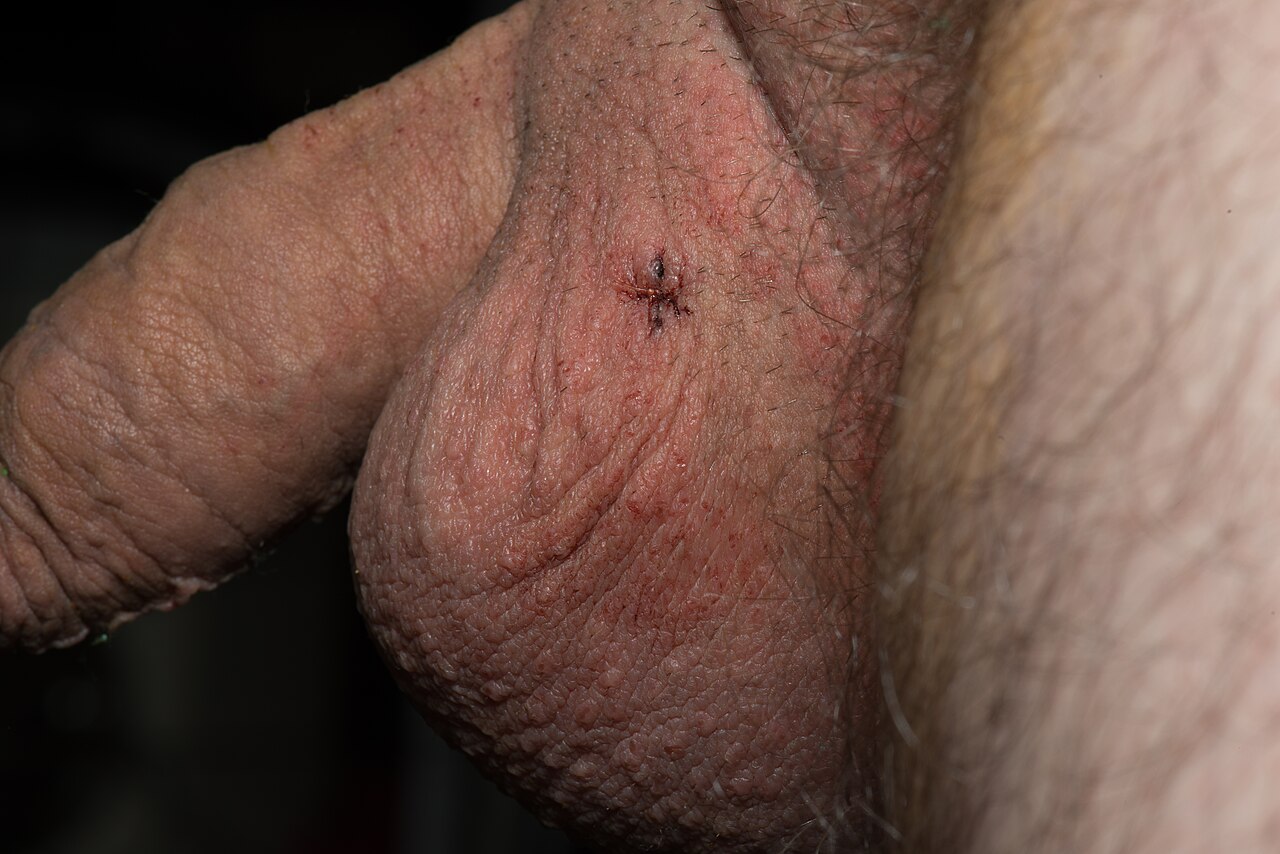
Male humans have two testicles of similar size contained within the scrotum, an extension of the abdominal wall. Scrotal asymmetry is common, with the right testis hanging lower than the left for 85% of men. An average adult testicle measures up to 5 cm × 2 cm × 3 cm. The Tanner scale assigns maturity stages based on calculated volume, ranging from stage I (less than 1.5 cm³) to stage V (greater than 20 cm³). The number of spermatozoa produced is directly proportional to testicular volume, as larger testicles contain more seminiferous tubules and Sertoli cells.
Reader's Guide
The testicle is essential for male reproduction and endocrine function. Its internal structure includes seminiferous tubules lined with germ cells that develop into spermatozoa through spermatogenesis, and Leydig cells that produce testosterone. The blood–testis barrier, formed by tight junctions between Sertoli cells, prevents an auto-immune reaction against sperm antigens. Temperature regulation is critical: the cremasteric muscle moves the testicles closer to or further from the body to maintain an optimal temperature of 34.4 °C, as temperatures above 36.7 °C impede spermatogenesis. Testicular volume is a key indicator of reproductive health, with normal volume ranging from 15 to 25 cm³.
Did You Know?
- The testicle is homologous to the ovary, the female gonad.
- For 85% of men, the right testis hangs lower than the left one.
- The blood–testis barrier prevents an auto-immune reaction against sperm.
- Testicular volume is positively correlated with semen profiles and sperm count.
Core Functions and Hormonal Control
The testicle serves as the male gonad across all gonochoric species, functioning as the direct anatomical counterpart to the female ovary. In humans, its two principal roles are the generation of spermatozoa and the secretion of androgens, with testosterone being the dominant hormone produced. These two processes are governed by a tightly coordinated endocrine loop originating in the anterior pituitary gland. Luteinizing hormone (LH) acts specifically on Leydig cells nestled between the seminiferous tubules, prompting them to release testosterone and other androgens that drive puberty, secondary sexual characteristics such as facial hair, sexual behavior, and libido. Meanwhile, follicle-stimulating hormone (FSH), also released by the anterior pituitary, together with locally produced testosterone, drives spermatogenesis within the tubules. A critical feedback mechanism exists: Sertoli cells secrete inhibin, a hormone that suppresses further FSH release from the pituitary, thereby preventing overproduction of sperm. Testosterone itself also exerts a controlling influence on overall testicular volume, linking the gland's hormonal output to its physical size.
Internal Architecture and the Sperm Journey
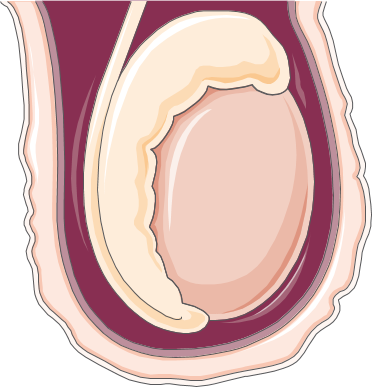
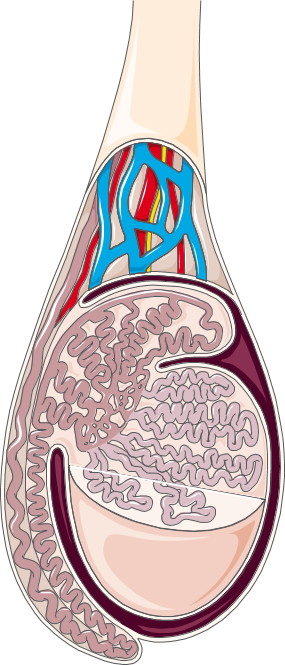
Beneath a tough fibrous outer shell known as the tunica albuginea, the testicle is organized into a dense network of extremely fine, coiled seminiferous tubules. These tubules are lined with germ cells that, from puberty onward and continuing through old age, progress through successive stages—spermatogonia, spermatocytes, spermatids, and finally mature spermatozoa—in a process called spermatogenesis. Sertoli cells form the true epithelial layer of this tubular system and are essential for nurturing germ cells as they mature. Peritubular myoid cells wrap around the outside of each tubule, providing structural support. Newly formed sperm then travel into the rete testis within the mediastinum, pass through efferent ducts, and enter the epididymis where they complete their maturation. From the epididymis they move into the vas deferens and are ultimately expelled through the urethra via muscular contractions. Interspersed between the tubules, Leydig cells and interstitial macrophages occupy the connective tissue, with the Leydig cells serving as the primary source of testosterone.
Size, Volume, and Sperm Output
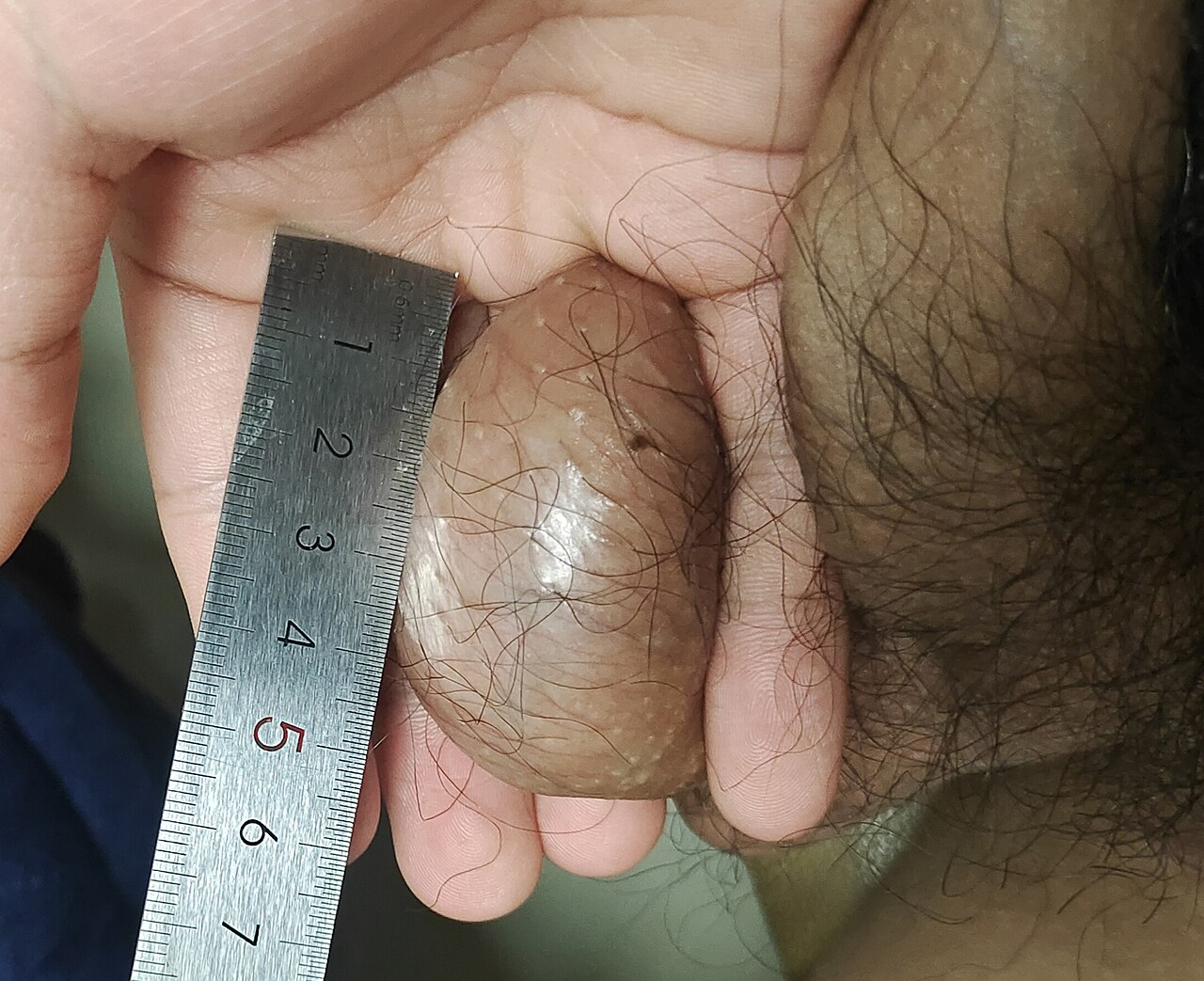
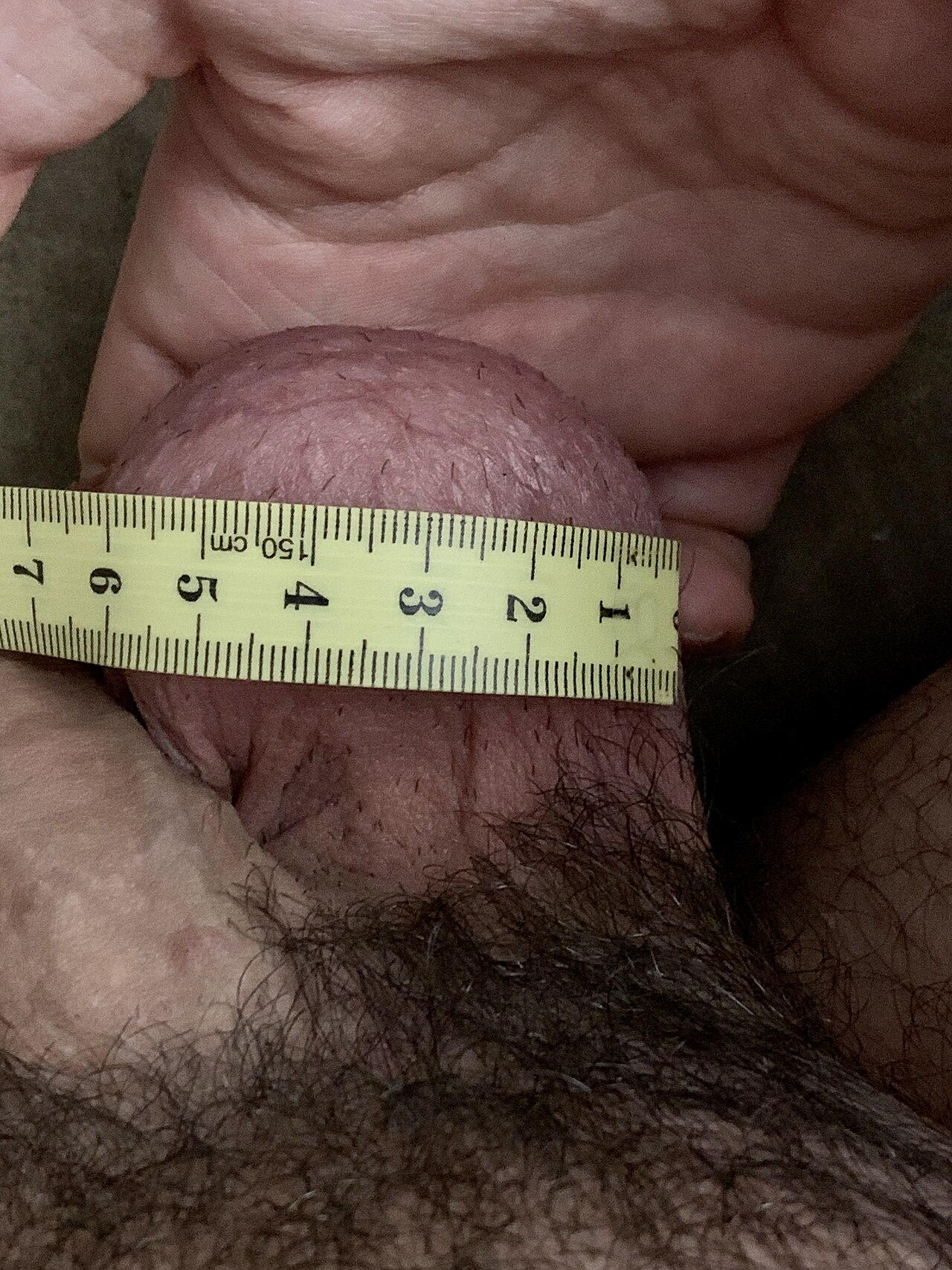
In adult males, the two testicles reside within the scrotum, a sac that is an extension of the abdominal wall. A common and normal feature is scrotal asymmetry, where one testicle hangs lower than the other; in roughly 85 percent of men the right testis sits lower, a difference attributed to variations in the underlying vasculature. Clinicians estimate testicular volume by palpation against a set of known ellipsoids called an orchidometer, or by obtaining three-dimensional measurements with calipers, a ruler, or ultrasound. The standard ellipsoid formula multiplies length, width, and depth by approximately 0.52, though a coefficient of 0.71 yields a more accurate result. A typical adult testicle measures around 5 by 2 by 3 centimeters, with a normal volume of 15 to 25 cubic centimeters and an average of 18. The Tanner scale maps developmental maturity from under 1.5 cm³ at stage I to over 20 cm³ at stage V. Crucially, spermatozoa output is directly proportional to testicular volume, because larger glands house more seminiferous tubules and Sertoli cells, producing greater sperm counts per ejaculate.
Vascular Supply and Surgical Resilience
The testicle receives arterial blood from three distinct sources: the testicular artery, the cremasteric artery, and the artery to the ductus deferens. The paired testicular arteries branch directly off the abdominal aorta and descend through the inguinal canal to reach the gland. The cremasteric artery is a branch of the inferior epigastric artery, which itself arises from the external iliac artery, while the artery to the ductus deferens branches from the inferior vesical artery, a tributary of the internal iliac artery. The scrotum and external genitalia, by contrast, are supplied by the internal pudendal artery, a branch of the internal iliac. This triple blood supply has important clinical implications: if the testicular artery must be ligated during a procedure such as a Fowler-Stevens orchiopexy for a high undescended testis, the gland typically survives on the collateral flow from the other two arteries. Lymphatic drainage of the testes follows the testicular arteries, a pathway that is anatomically distinct from the lymphatic drainage of the scrotum.
Gallery
Frequently Asked Questions
What is a testicle?
A testicle (singular: testis) is the male gonad found in all gonochoric animals, including humans. It is the male counterpart to the ovary and serves as the organ responsible for both gamete production and sex-hormone secretion.
What are the two main jobs of a testicle?
It manufactures sperm cells and secretes androgens, with testosterone being the principal hormone released. These two roles—spermatogenesis and steroidogenesis—make it the central organ of male reproductive and endocrine function.
Which hormones control what a testicle produces?
Luteinizing hormone (LH) from the anterior pituitary drives testosterone release, while follicle-stimulating hormone (FSH) from the same gland, working alongside locally produced testosterone, governs sperm generation. In short, the pituitary sets the pace and the gonad executes the task.
How big is a testicle on average?
A typical adult testicle measures roughly 18 cm³, with a commonly cited normal range of 15 to 25 cm³ and an observed span of about 12 to 30 cm³. Size can vary with age, temperature, and individual anatomy within that window.
Why do testicles sit outside the abdominal cavity?
Spermatogenesis works best at approximately 34.4 °C, a few degrees below core body temperature. Hanging in the scrotum keeps the gonads in that cooler range, protecting the delicate process of sperm maturation from the heat of the torso.
More in Reproduction & Development 1-19
Spotted an error? Know more?
This is a living reference — every entry is fact-audited, and reader corrections feed straight into our audit queue. Suggest an edit · See this site's audit record